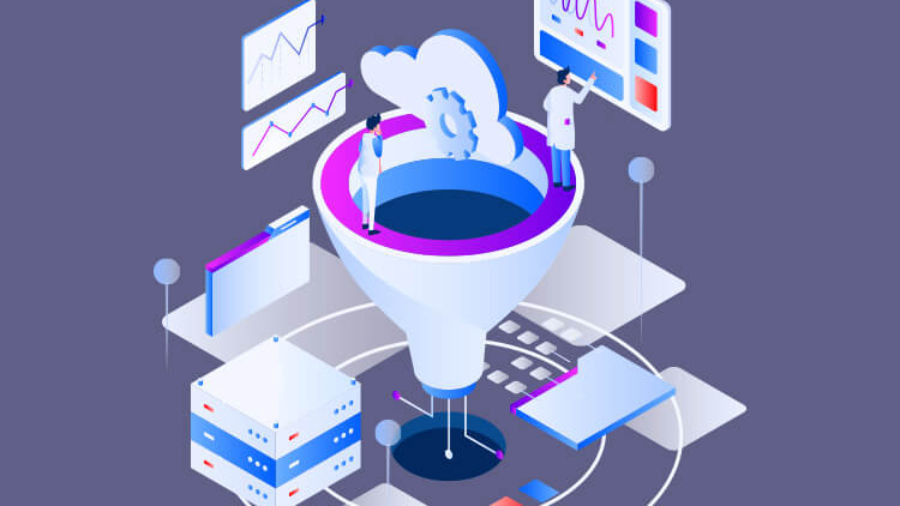

Software development is evolving faster than ever, thanks to advancements in technology, changing customer demands, and new ways of working. For businesses and developers alike, keeping up with the latest trends isn’t just about staying current — it’s about staying competitive.
As we move deeper into 2025, here are the key software development trends you should watch and prepare for.
1️⃣ AI-Driven Development
Artificial Intelligence (AI) is no longer just a buzzword — it’s transforming how software is built and used. From AI-assisted coding tools that help developers write better code faster, to intelligent software that learns and adapts to user behavior, AI is making software development smarter and more efficient. Expect more AI integration in applications and more use of machine learning to create personalized user experiences.
2️⃣ Low-Code and No-Code Platforms
Businesses need solutions quickly, and low-code/no-code platforms make that possible. These tools allow even non-technical users to build apps and automate workflows with minimal coding knowledge. Developers are increasingly using these platforms to prototype, test ideas faster, and even deliver full-fledged applications in record time.
3️⃣ Cloud-Native Development
The cloud has already revolutionized how we deploy and run software, and in 2025, it’s all about cloud-native. Cloud-native apps are built to fully leverage cloud infrastructure, making them more scalable, reliable, and resilient. Expect to see more adoption of containers, microservices, and serverless architectures as developers build apps that are truly born in the cloud.
4️⃣ Focus on Cybersecurity by Design
With the increase in cyber threats, security can no longer be an afterthought. In 2025, developers are embracing “security by design,” baking robust security measures directly into the development lifecycle. Practices like DevSecOps — where development, security, and operations work together — are becoming standard.
5️⃣ Increased Use of Open-Source Technologies
Open-source software continues to power innovation. More businesses are relying on open-source frameworks, libraries, and tools to reduce costs, speed up development, and contribute to a collaborative ecosystem. This trend is expected to grow, with an emphasis on community-driven development and shared responsibility.
Final Thoughts
The future of software development is dynamic and full of opportunities. By embracing these trends — from AI and cloud-native approaches to secure, collaborative development — businesses and developers can create better, faster, and more secure software for the modern world. Staying ahead of the curve is not just an advantage — it’s a necessity.